


More Than Just Play
The Core Principles of Play-Based ABA Therapy
Play based aba therapy takes the solid foundation of Applied Behavior Analysis – the science B.F. Skinner developed around operant conditioning – and wraps it in something much more natural and joyful. Instead of clinical drills, we use the power of play to create meaningful learning moments that feel effortless to your child.
Think of it this way: traditional ABA might teach a child to identify colors by sitting at a table with flashcards. Play based aba therapy teaches the same skill while building with colorful blocks, letting your child create whatever their imagination dreams up. Same learning goal, completely different experience.
The magic happens through naturalistic teaching, where we meet children exactly where they are. If your child is fascinated by dinosaurs, we’ll use dinosaurs to teach counting, social skills, and communication. This isn’t just more fun – it’s more effective because children learn best when they’re genuinely engaged with something they love.
Our child-centered approach means we follow your child’s lead rather than forcing them to follow ours. We watch what captures their attention and build learning opportunities around those golden moments of interest. What is ABA Therapy and How Does It Work? explains how this approach is still grounded in decades of scientific research.
Evidence-based practice remains at the heart of everything we do. Every technique has been tested and proven effective. The difference is in how we deliver these proven methods – through play, laughter, and genuine connection rather than rigid structure.
Motivation strategies focus on what naturally drives your child forward. When a child successfully requests their favorite toy and receives it, that’s natural reinforcement at work. The reward is directly connected to their effort, making the learning stick in ways that artificial rewards simply can’t match.
What Makes Play-Based ABA Different from Traditional ABA?
The contrast between traditional and play based aba therapy becomes clear when you see them side by side:
| Aspect | Traditional ABA (DTT) | Play-Based ABA (NET/PRT) |
|---|---|---|
| Setting | Structured clinic room | Natural play environment |
| Instructor Role | Therapist-led direction | Child-led exploration |
| Reinforcement | External/tangible rewards | Natural/intrinsic motivation |
| Session Feel | Repetitive/drill-based | Fluid/playful interaction |
Traditional Discrete Trial Training has its place and can be effective for certain children and specific skills. However, it often feels like school work – repetitive practice sessions where children sit at tables and respond to therapist prompts over and over.
Play based aba therapy transforms those same learning goals into trips. We might teach turn-taking through a game of rolling a ball back and forth, or practice following directions while playing Simon Says. The skills being taught are identical, but the experience is completely different.
Key Techniques Used in Play-Based ABA
Natural Environment Teaching (NET) forms the backbone of our approach. We create learning opportunities wherever your child feels most comfortable – their bedroom, the backyard, or curled up on the living room couch. This helps skills transfer seamlessly into real-world situations because they’re learned in real-world settings from the start.
Pivotal Response Treatment (PRT) targets the key areas that open up widespread improvements in your child’s development. Research is compelling here – more than 20 studies show that PRT improves communication skills in children with autism. Different Types of ABA Therapy Techniques explores how these methods work together to create meaningful change.
Joint attention activities help children learn to share focus with others, which is crucial for social connection. We might point excitedly at a butterfly in the garden and encourage your child to look too, building this foundation for all future social communication.
Incidental teaching means we’re always ready to turn everyday moments into learning opportunities. When your child reaches for a toy on a high shelf, that’s a perfect chance to practice requesting help or trying new words. These natural moments often create the most powerful learning experiences.
Rewarding attempts is just as important as celebrating successes. We cheer for good tries, not just perfect responses. This builds the confidence and motivation your child needs to keep exploring new skills and taking on bigger challenges.
The Transformative Benefits for Children with Autism
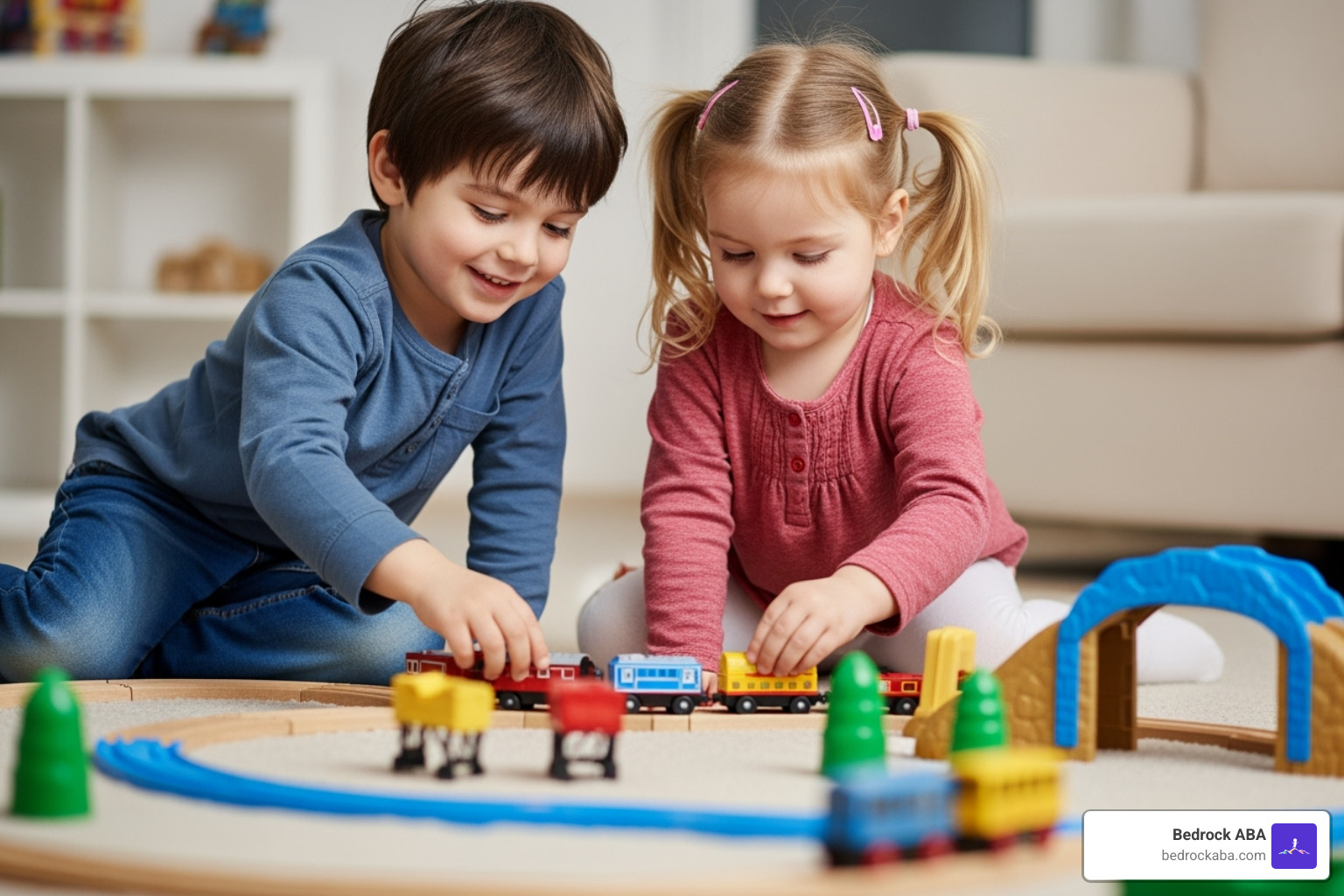
When I watch children in play based aba therapy sessions, I’m always amazed by the change that happens. What starts as simple play becomes a powerful tool for growth, touching every aspect of a child’s development.
The magic happens because children are naturally motivated to engage. Instead of sitting through repetitive drills, they’re building with blocks, playing pretend, or exploring sensory bins. Through these joyful activities, they develop social skills, communication abilities, and self-regulation without even realizing they’re learning.
The Benefits of ABA Therapy for Children with Autism become even more pronounced when delivered through play. Children stay engaged longer, practice skills more willingly, and show genuine excitement about their progress.
Boosting Social and Communication Skills
Play is where social skills come alive. When children engage in play based aba therapy, they naturally practice the building blocks of social interaction. Turn-taking emerges through simple games like rolling a ball back and forth. Sharing develops as children learn to pass toys or take turns with preferred activities.
Cooperation blooms when children work together on puzzles or building projects. I’ve seen shy children become confident leaders when they find they can teach others their favorite game. Initiating conversation becomes natural when children get excited about what they’re creating and want to share it with others.
The beauty of this approach is how non-verbal communication develops alongside spoken language. Children learn to read facial expressions, understand gestures, and use their own body language effectively. Expressive language grows as they describe their play, while receptive language improves through following game rules and responding to play partners.
Key Principles of ABA Therapy: Reinforcement, Behavior, and Learning explains how these skills build naturally through positive reinforcement embedded in enjoyable activities. When a child successfully communicates during play, the natural reward is continued engagement with their favorite activity.
Fostering Self-Regulation and Emotional Growth
Perhaps the most beautiful aspect of play based aba therapy is how it nurtures emotional development. Play provides a safe space where children can experience and work through feelings without pressure or judgment.
Reduced anxiety is often the first change parents notice. When therapy feels like play, children approach sessions with excitement rather than stress. This increased motivation creates a positive cycle where children want to participate and try new things.
Building confidence happens naturally through play. Children master skills at their own pace, celebrating small victories along the way. When they successfully complete a puzzle or build a tower, their sense of accomplishment is genuine and lasting.
Managing frustration becomes easier when children have positive experiences to draw from. They learn that making mistakes is part of playing and growing. Developing coping mechanisms emerges through guided play experiences where children learn to take breaks, ask for help, or try different approaches.
The positive therapeutic relationship that develops through shared play creates trust and connection. Children see their therapists as play partners rather than authority figures, making them more willing to accept guidance and try challenging tasks.
Enhancing Generalization of Skills
One of the most exciting benefits of play based aba therapy is how naturally skills transfer to everyday life. Because children learn through activities they enjoy in natural environments, they’re more likely to use these skills outside of therapy.
Real-world application happens seamlessly. A child who learns to request help during play will use that same skill when they need assistance at home. Learning transfer occurs because the skills feel natural and meaningful rather than like therapy exercises.
In home environments, parents often report that their children use new communication skills during family activities, meals, and bedtime routines. School settings become more successful as children apply their social skills during recess, group work, and classroom interactions.
Community outings become more enjoyable for the whole family. Children who have practiced social skills through play are better prepared for trips to parks, stores, and restaurants. School-Based ABA Therapy often incorporates play-based techniques because they translate so well to classroom and playground situations.
The skills become truly functional because they’re embedded in activities children value. They don’t just perform behaviors to please adults – they use them because these skills make their daily experiences more successful and enjoyable.
A Practical Guide for Parents and Caregivers

As parents, you play a crucial role in your child’s play based aba therapy journey. Your involvement and support can significantly improve the effectiveness of therapy and help skills generalize to daily life.
We believe in family-centered care that recognizes you as the expert on your child. Our job is to provide you with tools and strategies that fit your family’s unique needs and lifestyle.
In-Home ABA Therapy Services allows us to work directly in your child’s natural environment, making parent involvement even more seamless and effective.
Who is Play-Based ABA Therapy For?
Play based aba therapy is particularly effective for:
- Toddlers and preschoolers who are naturally drawn to play-based learning
- Children under 3 who benefit from early intervention in natural settings
- Children with developmental delays who need engaging, motivating approaches
- Children who resist structured therapy and become anxious in formal settings
- Children who learn better through movement and hands-on activities
ABA Services for Children explains how we tailor our approach to each child’s developmental stage and learning style.
Early intervention through play-based methods can be particularly powerful because young children’s brains are most adaptable, and play is their natural way of learning about the world.
Your Role in Supporting Your Child’s Progress
Parent training is an essential component of effective play based aba therapy. We’ll teach you strategies to:
Create a playful environment at home that supports learning:
- Set up spaces that invite exploration and interaction
- Rotate toys and materials to maintain interest
- Follow your child’s lead in play activities
- Join in their play without taking over
Simple play activities to try at home:
- Sensory bins filled with rice, beans, or water beads for exploration
- Simon Says games to practice following directions and body awareness
- Building blocks for creativity, problem-solving, and turn-taking
- Pretend play with dolls, cars, or kitchen sets
- Music and movement activities for self-regulation and joy
Celebrate small victories by noticing and acknowledging your child’s efforts and progress. This builds confidence and motivation to keep trying new skills.
Provide consistent reinforcement by using the same positive approaches we use in therapy throughout your daily routines.
How to Find and Evaluate a Quality Provider
When choosing a play based aba therapy provider, look for:
Board Certified Behavior Analyst (BCBA) supervision to ensure evidence-based practices and ethical standards.
Individualized treatment plans that reflect your child’s unique interests, strengths, and goals rather than one-size-fits-all approaches.
Ethical practices that respect your child’s autonomy and dignity. Ask about their approach to stimming, how they handle a child’s “no,” and their philosophy on child-led versus adult-directed activities.
Parent collaboration – Quality providers will involve you in goal-setting, share strategies for home use, and welcome your input about what’s working.
Our ABA Therapy Process demonstrates how we partner with families to create individualized, respectful, and effective therapy experiences.
Navigating Insurance and Access to Care
Most insurance plans are required to cover medically necessary ABA therapy, including play-based approaches. Here’s how to steer the system:
Verify your benefits by calling your insurance company and asking specifically about ABA therapy coverage, including any limits on hours or providers.
Understand medical necessity – Your child’s diagnosis and assessment results will determine coverage. Keep detailed records of evaluations and recommendations.
Private insurance often covers ABA therapy, but coverage varies by state and plan. Some states have stronger autism insurance mandates than others.
Medicaid coverage is required for medically necessary treatments for children under 21, including ABA therapy.
Appeal denials if your initial request is denied. Many denials are overturned on appeal, especially with proper documentation.
Autism Speaks resources can provide guidance on insurance advocacy and finding services in your area.
Addressing Common Concerns and Criticisms
I completely understand why some families feel hesitant about ABA therapy. Maybe you’ve heard troubling stories about outdated practices, or perhaps you’re worried about approaches that don’t honor your child’s unique way of experiencing the world. These concerns are valid and important to address.
The concept of neurodiversity reminds us that neurological differences—like autism—are natural variations of the human experience, not deficits to be “fixed.” Modern play based aba therapy has evolved dramatically from earlier approaches. We’ve moved far beyond the rigid, compliance-focused methods of the past. Today’s ethical ABA recognizes that children are complete human beings deserving of respect, not collections of behaviors to be modified.
Neurodiversity-affirming practices are at the heart of what we do. We celebrate the unique ways autistic children think, learn, and interact with their environment. Our goal isn’t to make children appear “normal”—it’s to help them develop skills that support their own goals and help them steer the world more successfully.
The historical context of ABA is something we acknowledge openly. Early approaches sometimes relied on punishment and focused heavily on making children conform to neurotypical expectations. That’s not who we are today. Modern play based aba therapy emphasizes positive reinforcement, child choice, and building genuinely useful skills.
Child autonomy isn’t just a buzzword for us—it’s central to everything we do. We believe children should have meaningful say in their own therapy experience, and we respect all forms of communication, whether verbal or non-verbal.
Child Autonomy and Following the Child’s Lead
True play based aba therapy represents a fundamental shift from compliance-based models to collaborative relationships built on mutual respect and trust.
- Honoring a child’s “no” is non-negotiable. When a child doesn’t want to engage in an activity, we don’t force participation. Instead, we explore what’s behind their reluctance and find alternatives that work better for them. Sometimes “no” means “not right now,” and sometimes it means “this doesn’t work for me at all.”
- Building trust happens through consistent, respectful interactions that always prioritize your child’s comfort and preferences. We move at their pace, not ours. This foundation of trust makes everything else possible.
- Shared control means therapy sessions become collaborative experiences where children have meaningful choices about activities, pacing, and how much they want to participate. We’re not doing therapy to your child—we’re working with them.
- Joyful engagement serves as our compass. If an activity isn’t enjoyable for your child, we’re not doing our job right. Learning should feel good, and growth should happen naturally through positive experiences.
- Intrinsic motivation takes precedence over external rewards. We want children to engage because they’re genuinely interested and because activities meet their needs, not because they’re trying to earn stickers or treats.
The Approach to Stimming in Play-Based ABA Therapy
Stimming—those repetitive movements or sounds that help autistic children regulate themselves—serves crucial functions. Our approach recognizes and respects these important behaviors.
- Stimming is self-regulation in action. These behaviors often help children manage overwhelming sensory input, process emotions, or simply feel good in their bodies. We see stimming as a tool, not a problem to solve.
- We distinguish between harmless and harmful stims. We only address stimming behaviors if they’re causing physical injury or significantly interfering with a child’s ability to learn or connect with others. Harmless stimming that serves a purpose gets celebrated, not eliminated.
- Sensory needs are real and important. When we do need to address certain stims, we work hard to understand what sensory input a child is seeking and provide appropriate alternatives that meet the same need.
- Functional Communication Training helps children express their needs more effectively. Sometimes stimming serves a communication function—letting us know they’re overwhelmed, excited, or need a break. When children have better ways to communicate these needs, some stimming naturally decreases.
- Teaching replacement behaviors focuses on expanding your child’s toolkit of coping strategies rather than taking away their current ones. We add options; we don’t subtract what’s working.
- Avoiding suppression of self-expression is fundamental to our approach. We never try to make children “look normal” by eliminating harmless stimming that serves important functions. Your child’s way of moving through the world deserves respect.
Frequently Asked Questions about Play-Based ABA Therapy
How many hours of therapy are typically recommended?
Every child’s needs are unique, which is why we always start with a comprehensive assessment before making recommendations. Your child’s individualized needs and assessment results guide our BCBA’s recommendation for therapy hours.
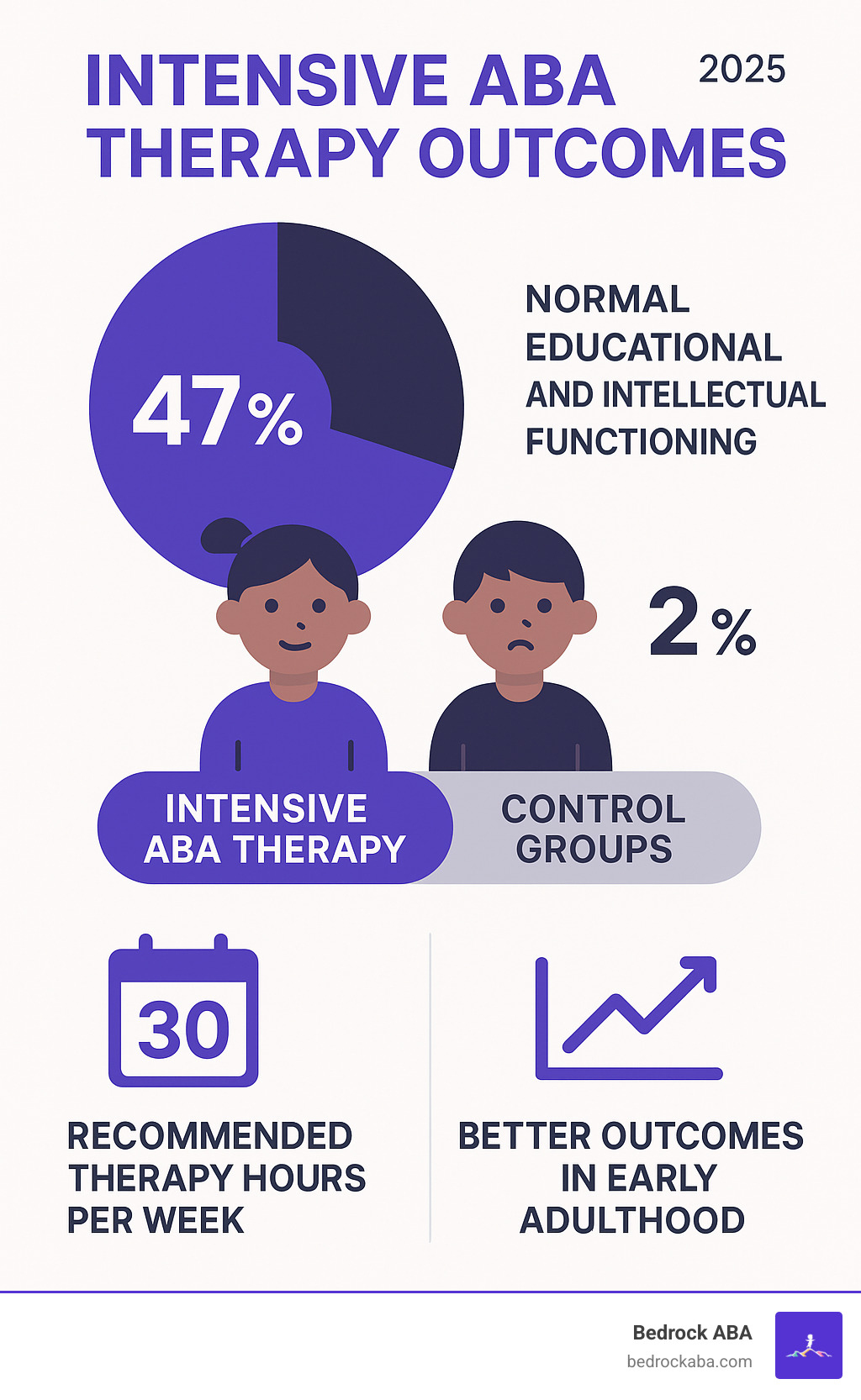
You might have heard that Pivotal Response Treatment (PRT) programs often involve 25+ hours per week, but this doesn’t mean every child needs that level of intensity. Some children thrive with fewer hours, while others benefit from more comprehensive support.
What matters most is quality over quantity. A child who’s engaged and motivated during 15 hours of play based aba therapy will often make more progress than a child who’s overwhelmed or disengaged during 40 hours of therapy they don’t enjoy.
Intensity can change over time as your child grows and develops new skills. We regularly reassess and adjust our recommendations based on your child’s progress and your family’s changing needs. Many families start with more intensive services during early intervention and gradually reduce hours as their child becomes more independent.
The key is finding what works for your specific child and family situation. Some children do best with intensive early intervention, while others thrive with fewer hours spread across different settings like home and school.
Can play-based ABA help non-verbal children?
Absolutely! Play based aba therapy is particularly powerful for non-verbal children because it doesn’t depend on speech as the primary way to communicate or learn. In fact, some of our most remarkable success stories involve children who started therapy without verbal language.
Augmentative and Alternative Communication (AAC) tools blend naturally into play activities. A child might use picture cards to request their favorite puzzle pieces or point to symbols to choose which game to play next.
The Picture Exchange Communication System (PECS) becomes part of the fun when children trade pictures for access to preferred toys or activities. Instead of drilling at a table, they’re making meaningful exchanges during enjoyable play.
Speech-generating devices can be seamlessly integrated into games and play routines. A child might press a button to make their toy dinosaur “roar” or use their device to narrate what they’re building with blocks.
Through Functional Communication Training (FCT), we help children find their voice – whether that’s through words, gestures, pictures, or technology. The goal is always meaningful interaction and expression, not necessarily verbal speech.
We focus on functional communication over just speech because what matters most is that your child can express their needs, wants, and thoughts in ways that work for them and their family.
What does a typical play-based ABA therapy session look like?
No two sessions look exactly the same because we follow your child’s lead and interests. That’s what makes play based aba therapy so engaging and effective.
Child-led exploration starts every session. We observe what captures your child’s attention – maybe it’s the toy kitchen, art supplies, or even looking out the window at birds. That becomes our starting point.
The therapist follows your child’s interests rather than forcing a predetermined agenda. If your child is fascinated by trains today, we’ll use trains to work on communication, social skills, counting, or whatever goals make sense in that moment.
Seizing teaching moments happens naturally throughout play. When your child reaches for a toy on a high shelf, that’s a perfect opportunity to practice requesting help. When they’re excited about their block tower, we might work on describing what they built.
Incorporating goals into play means learning targets are woven seamlessly into enjoyable activities. We might work on requesting toys, taking turns, or following directions, but it all happens within games and activities your child genuinely enjoys.
Data collection is discreet – we track progress without interrupting the flow of play or making it feel like a test. Your child should never feel like they’re being evaluated or judged.
The session is dynamic and fun, moving naturally from one activity to another based on your child’s interests and energy. We might start with building blocks, move to reading books when your child shows interest, then head outside for some active play.
Your child might not even realize they’re “doing therapy” – they’re just having fun, playing, and learning naturally through activities they love.
Conclusion: Taking the Next Step on Your Child’s Journey
Play based aba therapy isn’t just another treatment approach—it recognizes that childhood should be joyful, even when we’re working on important developmental goals. This method represents a beautiful shift from old-school “sit still and repeat” therapy to something that actually feels like childhood.
When we watch children find new skills through play, something magical happens. They’re not just learning to communicate or take turns—they’re building confidence, curiosity, and a genuine love of learning that will serve them throughout their lives.
The research backs up what we see every day: children who learn through play are more engaged, remember skills better, and actually want to use what they’ve learned in real situations. That’s the difference between therapy that works in a clinic and therapy that changes lives.
Child-centered care means we never try to force a square peg into a round hole. Your child who loves dinosaurs will learn colors through dinosaur sorting games. Your child who’s fascinated by water will practice communication while playing with cups and funnels. We meet children where they are, not where we think they should be.
At Bedrock ABA, we’ve built our entire approach around this simple truth: joyful learning creates lasting change. When children associate therapy with fun, they show up differently. They try harder, smile more, and carry their new skills into everyday life naturally.
We’re not just working on individual skills—we’re opening your child’s full potential by creating positive associations with learning, social connection, and trying new things. That foundation matters more than any single goal we might target.
Our family-centered support means you’re not just dropping your child off for therapy—you’re learning alongside them. We’ll show you how to create these magical learning moments during bath time, grocery shopping, or just hanging out in your backyard.
Every child deserves therapy that honors who they are right now while gently supporting who they’re becoming. Play based aba therapy offers exactly that—a path forward that celebrates your child’s unique way of seeing the world while building the skills they need to steer it successfully.
Ready to see what this looks like for your family? Explore our ABA therapy services in Utah to see how we can help your child thrive through approaches that put play, joy, and your child’s individual interests at the heart of everything we do.
Your child’s journey is already underway—let’s make sure it’s filled with fun, growth, and plenty of laughter along the way.