


What Is Applied Behavior Analysis Therapy and Why Does It Matter?
Applied behavior analysis therapy is a scientific, evidence-based approach that uses learning principles to improve socially significant behaviors. It focuses on understanding how behavior works, what factors influence it, and how learning takes place.
Quick Answer: Applied Behavior Analysis (ABA) Therapy
- Definition: A therapy that uses learning principles to increase helpful behaviors and decrease harmful ones
- Main Uses: Autism spectrum disorder, developmental delays, behavioral challenges
- How It Works: Breaks skills into small steps, uses positive reinforcement, and collects data to track progress
- Effectiveness: Recognized as evidence-based by the US Surgeon General and American Psychological Association
- Format: One-on-one sessions, group settings, or parent training, typically 10-40 hours weekly
ABA therapy works by analyzing the relationship between behaviors and the environment. When done correctly, it helps children develop communication skills, improve social interactions, and gain independence in daily activities.
Modern ABA focuses on:
- Personalized approaches custom to each child’s unique needs
- Positive reinforcement rather than punishment
- Natural environment teaching that makes learning fun and relevant
- Family involvement to help skills transfer to everyday life
Research shows that intensive, long-term therapy using ABA principles improves outcomes for many children with autism, especially when started early. Studies show particularly strong results when therapy begins before age 4 and provides more than 20 hours weekly of structured intervention.
What Is Applied Behavior Analysis Therapy?
Applied behavior analysis therapy began in the mid-20th century when Dr. O. Ivar Lovaas applied behavioral principles to help children with autism. His work built upon behaviorism, focusing on observable actions rather than internal thoughts.
What makes ABA special is its systematic approach. It examines the relationship between behaviors and environment, asking: “Why is this behavior happening?” and “How can we help change it to improve quality of life?”
Definition & Roots
Applied behavior analysis therapy applies learning principles to improve behaviors that matter in everyday life. These principles evolved from B.F. Skinner’s science of operant conditioning, showing how behaviors are shaped by their consequences.
The Behavior Analyst Certification Board explains: “ABA is the application of the science of behavior analysis to real-world problems to effect lasting positive change in socially important behaviors.”
What began as a highly structured approach has evolved into something more flexible and naturalistic that can be customized for each person’s unique situation.
Seven Dimensions of ABA
What sets applied behavior analysis therapy apart is its commitment to seven fundamental dimensions outlined by researchers Baer, Wolf, and Risley in 1968:
- Applied: Focuses on behaviors that matter in real life
- Behavioral: Targets observable, measurable actions
- Analytic: Shows clear connections between interventions and behavior changes
- Technological: Describes techniques clearly enough for others to follow
- Conceptually Systematic: Builds on established behavioral principles
- Effective: Creates meaningful improvements in daily life
- Generality: Ensures new skills work in all environments
These dimensions form the foundation of quality applied behavior analysis therapy, guiding every step from assessment to evaluation of progress.
How ABA Works: Principles, Techniques & Typical Sessions
The foundation of applied behavior analysis therapy is the ABC model: Antecedent-Behavior-Consequence. This framework helps analyze what happens before a behavior (trigger), the behavior itself, and what follows (outcome).
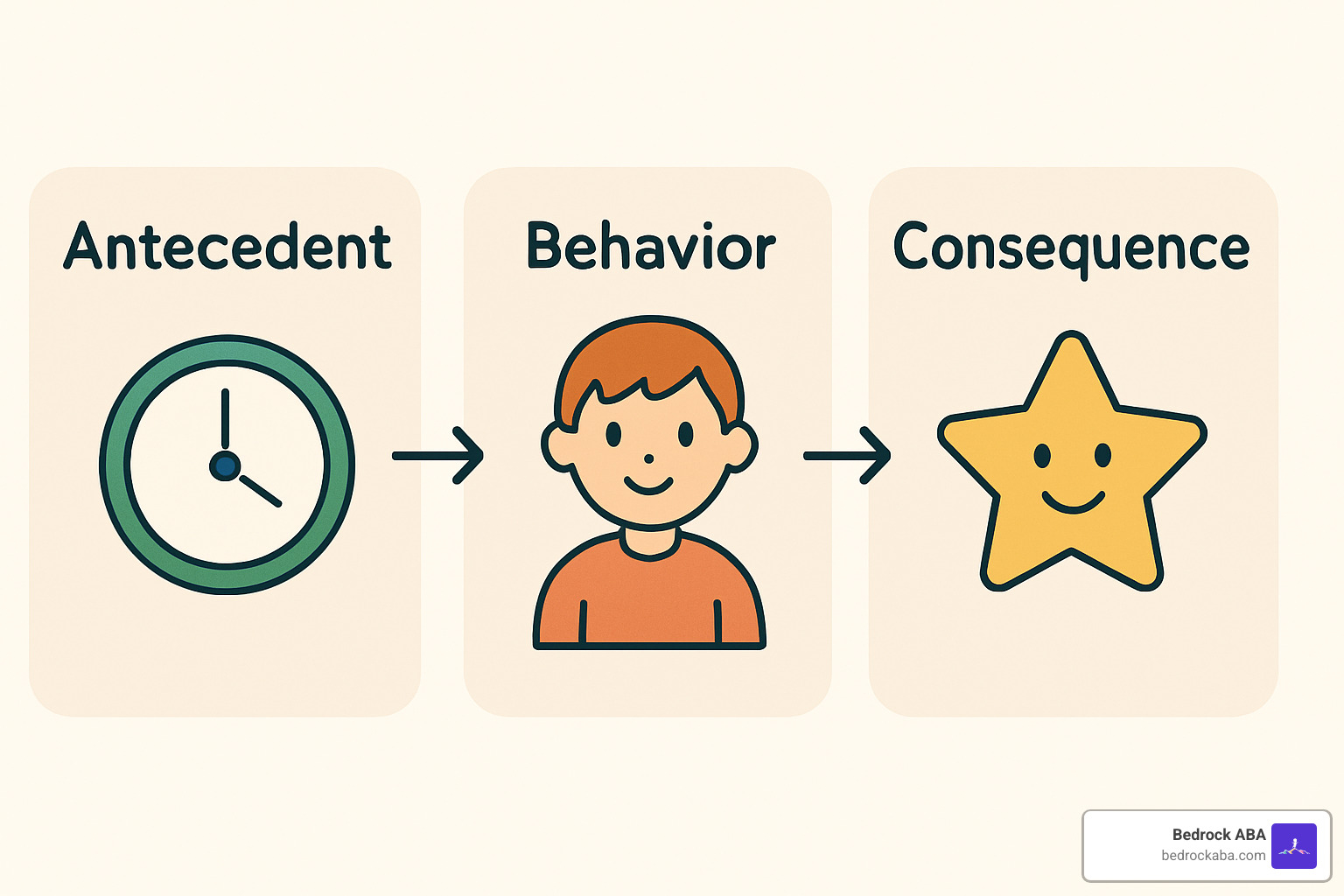
Imagine a child yells “no!” when asked to clean up toys. A therapist would notice the antecedent (being asked to clean up), the behavior (yelling “no!”), and the consequence (perhaps avoiding the task). Understanding this pattern helps develop better strategies.
Applied behavior analysis therapy relies on several key principles: Positive reinforcement celebrates desired behaviors, shaping reinforces small steps toward goals, prompting helps children succeed, and data collection guides decisions.
ABA programs vary based on each child’s needs:
| Type of ABA | Hours per Week | Focus | Best For |
|---|---|---|---|
| Intensive (Comprehensive) | 25-40 | Multiple skill domains | Early intervention, significant needs |
| Focused | 10-25 | Specific behaviors or skills | Targeted goals, school-age children |
| Maintenance | 5-15 | Skill maintenance and generalization | After mastering core skills |
Applied Behavior Analysis Therapy Core Techniques in Action
During Discrete Trial Training (DTT), skills are broken into bite-sized pieces with clear beginnings and endings. Naturalistic Teaching happens in everyday life, making learning feel like play. Many children thrive with Token Systems, earning stickers or points for positive behaviors. Generalization Training ensures skills transfer to real-life settings.
A Day in Session
A typical two-hour session includes:
- Check-in and rapport building (5-10 minutes)
- Skill acquisition (30-40 minutes) teaching new skills
- Break/play time (10-15 minutes) with informal learning opportunities
- Behavior reduction teaching better alternatives to unwanted behaviors
- Generalization practice (20-30 minutes) helping skills transfer to everyday situations
- Caregiver training (15-20 minutes) demonstrating techniques for home use
- Continuous data collection to track progress
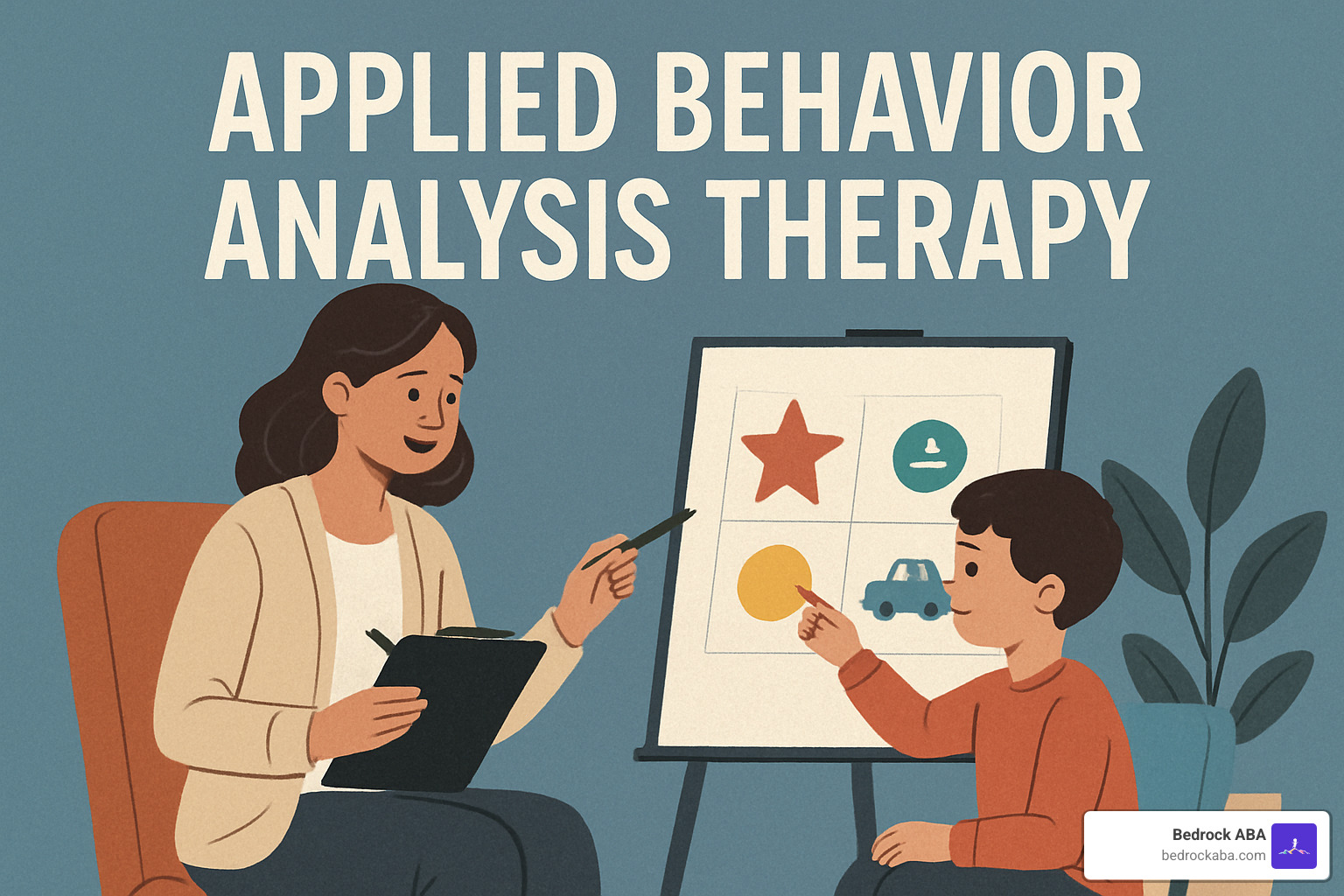
At Bedrock ABA, we offer flexible formats including in-person sessions at our locations in North Carolina, Virginia, Utah, and Maryland, as well as remote options to fit your family’s schedule.
Who Benefits & How Programs Are Personalized
Applied behavior analysis therapy helps people with various needs across different life stages. While best known for autism, its adaptability extends to many conditions.
Children with autism often see remarkable progress in social connections, communication skills, and daily routines. Those with ADHD develop better focus, while children with developmental delays build foundational skills step by step. ABA also helps with feeding disorders and specific behavioral challenges in adults.
Research consistently shows that starting earlier typically leads to better outcomes, often between ages 2-5.
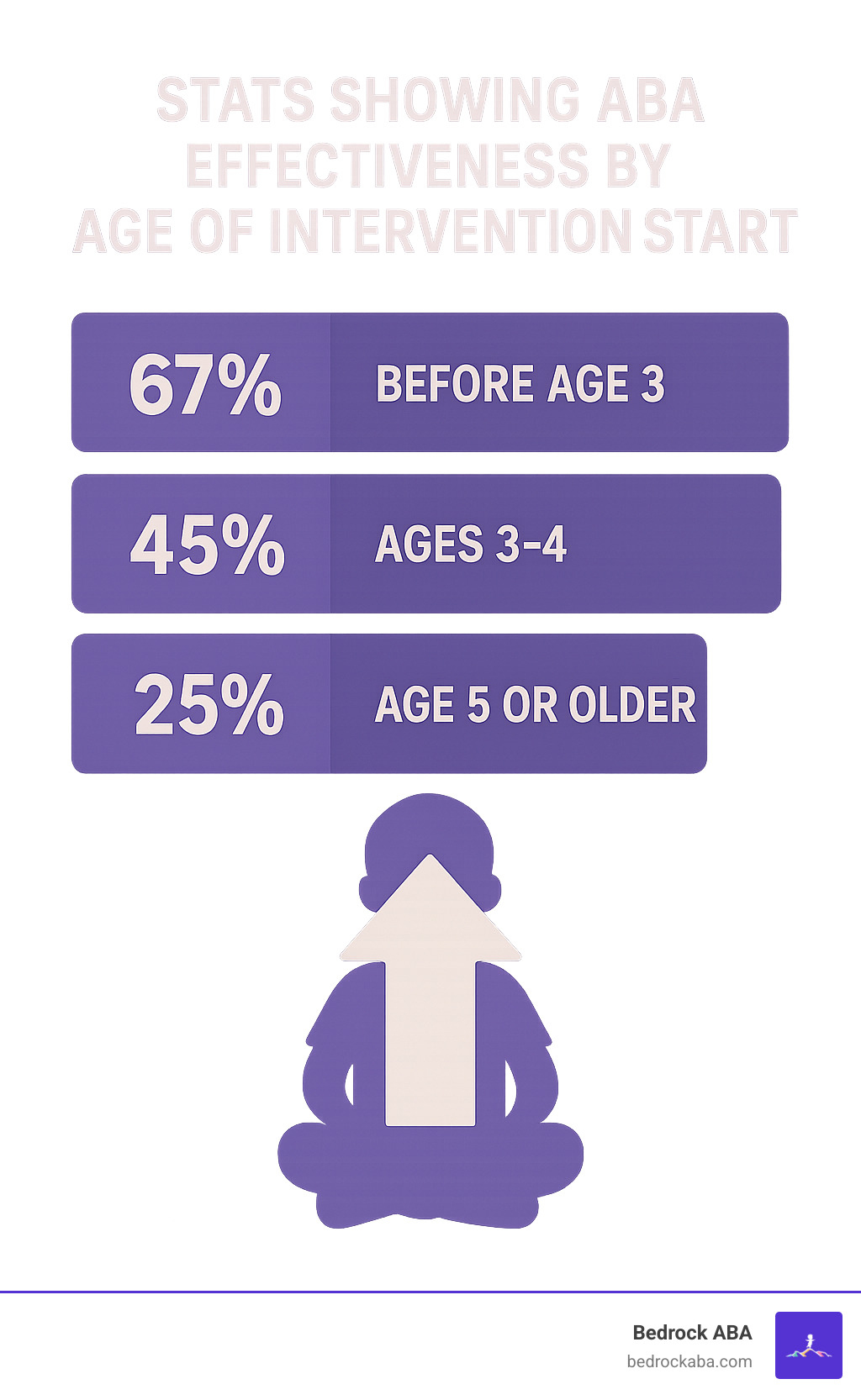
“We’ve seen tremendous growth in children who start therapy early,” says one Bedrock ABA clinician. “But we never put limits on potential—we’ve had older children and teens make wonderful progress too.”
Tailoring Plans
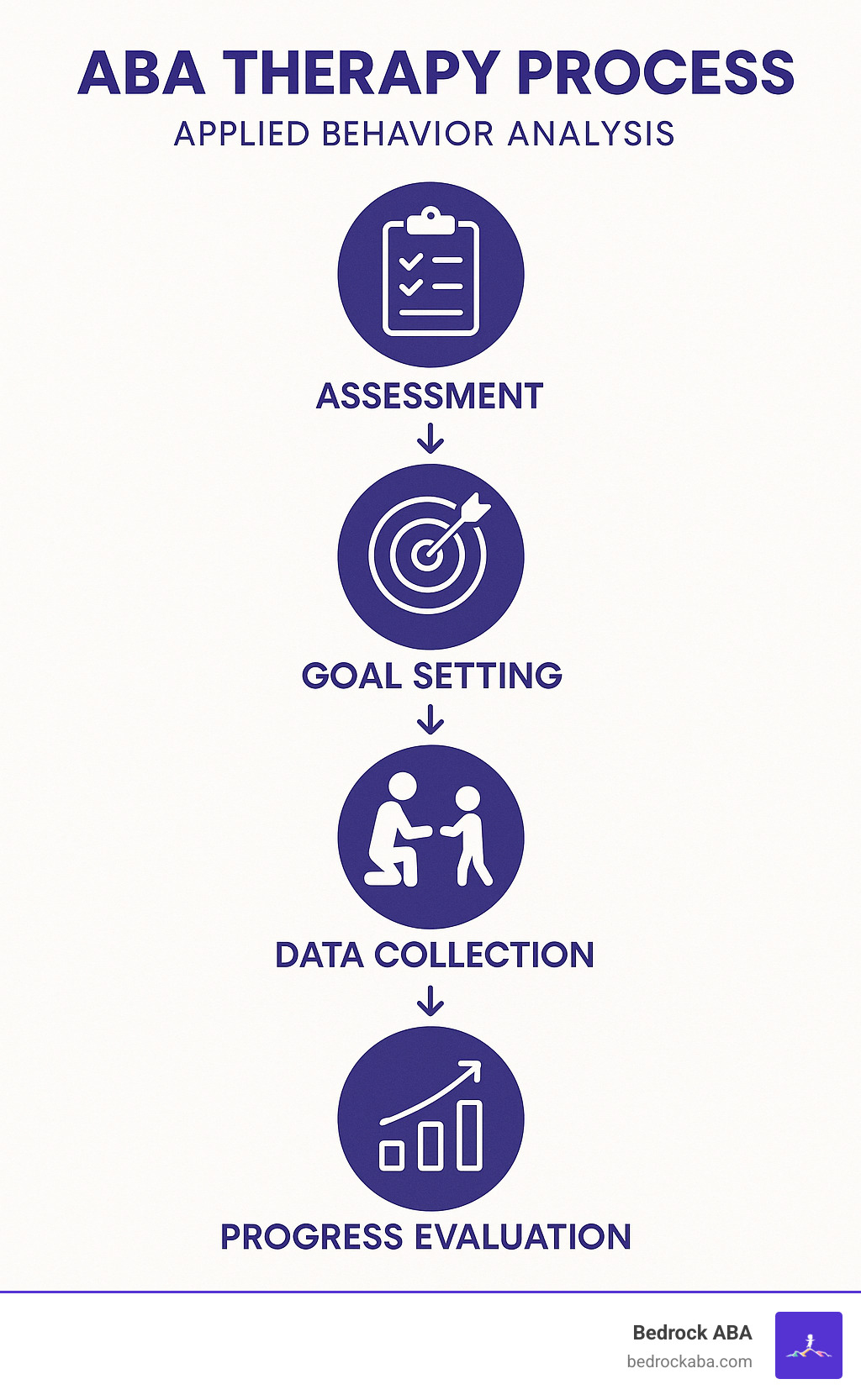
Quality applied behavior analysis therapy begins with a comprehensive assessment. A Board Certified Behavior Analyst (BCBA) takes time to understand your child’s strengths, challenges, preferences, and learning style. This includes a Functional Behavior Assessment to uncover the “why” behind challenging behaviors.
The BCBA measures current skill levels across areas like communication, social interaction, academics, and daily living to establish a baseline for measuring progress.
Family input shapes everything. Your priorities help form specific, measurable goals that become the roadmap for therapy.
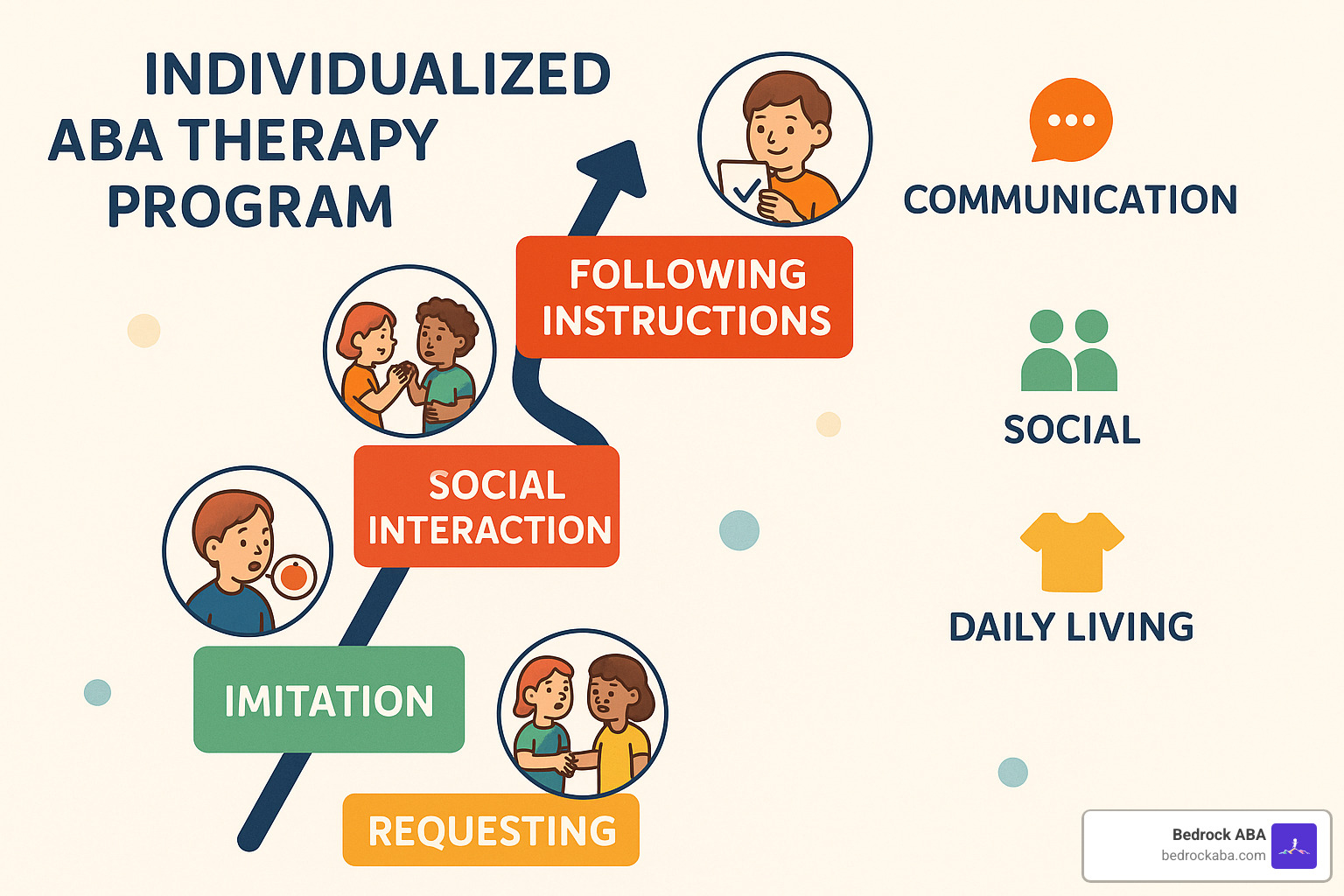
Once goals are established, your BCBA designs teaching strategies matched to your child’s unique learning style. Therapists continuously collect data during sessions, allowing the team to quickly identify what’s working and make adjustments when needed.
At Bedrock ABA, personalization extends to how services fit into your family’s life, whether through in-home therapy, center-based sessions, or a combination approach.
Effectiveness, Controversies & Evolution
Research supporting applied behavior analysis therapy is compelling. Multiple studies show that intensive, long-term ABA significantly improves outcomes for many children with autism across intellectual functioning, language development, daily living skills, and social abilities.
The timing factor is particularly important. Research shows children receiving more than 20 hours of ABA therapy weekly starting before age 4 often experience remarkable developmental gains and need fewer special services as they grow older.
Both the U.S. Surgeon General and the American Psychological Association recognize ABA as an evidence-based “best practice” treatment, especially for children on the autism spectrum.
Applied Behavior Analysis Therapy: Balancing Evidence and Ethics
Early ABA approaches have faced criticism from the neurodiversity movement for sometimes:
- Emphasizing “normalcy” over embracing neurological differences
- Prioritizing compliance in ways that might limit personal autonomy
- Occasionally employing aversive strategies that could cause emotional distress
Today’s applied behavior analysis therapy has evolved significantly:
- Modern ABA uses positive-only approaches, relying on encouragement and reinforcement
- Therapists practice collaborative goal-setting, focusing on what matters most to individuals and families
- There’s a clear quality-of-life emphasis valuing skills that improve independence and meaningful connections
Professional ethics have strengthened through the Behavior Analyst Certification Board’s Professional and Ethical Compliance Code, which centers client dignity, autonomy, and best interests.
“Contemporary ABA practices emphasize neurodiversity-affirming, strength-based approaches,” noted researchers in a 2023 study, highlighting how the field now honors individual differences while providing effective support.
At Bedrock ABA, we accept this modern, ethical approach to therapy, believing effective intervention can coexist with deep respect for each child’s unique neurological makeup and personal dignity.
Accessing ABA: Providers, Insurance & Next Steps
Navigating applied behavior analysis therapy starts with understanding providers, insurance coverage, and initial steps toward support for your child.
Provider Qualifications
Behind every effective ABA program is a team of trained professionals:
-
Board Certified Behavior Analysts (BCBAs) have master’s or doctoral degrees, specialized coursework, supervised experience, and have passed a national exam. They design your child’s program, analyze data, and make adjustments.
-
Board Certified Assistant Behavior Analysts (BCaBAs) have bachelor’s degrees plus specialized training and work under BCBA supervision.
-
Registered Behavior Technicians (RBTs) complete a 40-hour training program and implement daily therapy sessions under BCBA guidance.
Quality programs ensure BCBAs regularly observe sessions, provide feedback, and maintain appropriate supervision ratios.
Insurance Coverage
Access to applied behavior analysis therapy has improved dramatically:
-
Most private health insurance plans now cover ABA therapy for autism spectrum disorder, though specific details vary by state and plan.
-
All Medicaid plans must cover medically necessary ABA therapy for children under 21 when prescribed by a doctor, under the Early and Periodic Screening, Diagnostic, and Treatment (EPSDT) benefit.
For families with limited insurance coverage or high deductibles, self-pay options or scholarship programs may help bridge the gap.
Next Steps
To get started with applied behavior analysis therapy:
- Obtain a formal diagnosis from a qualified healthcare provider
- Contact your insurance provider to understand coverage details
- Research qualified providers in your area or explore telehealth options
- Complete a comprehensive assessment with your chosen provider
- Begin therapy after insurance approval
Choosing a Quality Provider
When selecting an applied behavior analysis therapy provider, look for:
- Proper credentials – verify current certifications from the Behavior Analyst Certification Board
- Experience working with children similar to yours
- Philosophy emphasizing positive reinforcement and dignity
- Parent involvement through regular training and collaboration
- Data-driven decision making and transparent outcome reporting
- Flexibility in service delivery across different settings

At Bedrock ABA, we’ve built our practice around these quality markers while offering family-centered care across North Carolina, Virginia, Utah, and Maryland, with both in-person and remote options.
More info about ABA therapy services
Frequently Asked Questions about Applied Behavior Analysis Therapy
What age is best to start ABA?
Research shows children who begin applied behavior analysis therapy between ages 2-6 tend to make the most substantial developmental gains, with those starting before age 4 often showing remarkable progress that can reduce the need for intensive support later.
However, children of all ages can benefit significantly from ABA. Like learning a language, it’s easier when you’re young, but people can learn at any age with the right approach. Teenagers and adults can make meaningful progress with therapy customized to their current life stage and specific needs.
The most important thing isn’t necessarily when you start, but that you start when you recognize the need.
How many hours per week are typical?
The “right” amount of applied behavior analysis therapy varies widely from person to person:
- Comprehensive programs (25-40 hours weekly): For young children with significant needs, resembling a full-time preschool schedule
- Focused programs (10-25 hours weekly): For children with more specific challenges, targeting particular skills or behaviors
- Maintenance schedule (5-15 hours weekly): For children who have made substantial progress, to solidify gains and address new challenges
Research supports that more intensive intervention (20+ hours weekly) often yields larger gains, especially in early intervention. At Bedrock ABA, we work with families to find the right balance between effectiveness and practical considerations like school and other activities.
Is ABA only for autism?
Applied behavior analysis therapy is effective for many challenges beyond autism. The principles of ABA are versatile and widely applicable.
Children with developmental delays benefit from ABA strategies for language and self-care skills. Those with ADHD often improve focus and organizational abilities. Even typically developing children with specific behavioral challenges like aggression or anxiety can learn better coping skills through ABA techniques.
The core approach of understanding behavior influences, using positive reinforcement, and collecting data to measure progress works across many situations and for many different people.
ABA has expanded beyond clinical settings into education, sports training, and workplace management. At its heart, it’s simply a thoughtful, systematic way to help people learn new skills and overcome challenges, regardless of diagnosis.
Conclusion
Applied behavior analysis therapy is about open uping potential—helping children develop skills to flourish and find joy in daily life.
When done right, ABA creates a ripple effect. A child who learns to communicate experiences less frustration. A family who understands how to support positive behaviors finds more peaceful moments together. Small victories add up to life-changing progress.
At Bedrock ABA, we get to know your child as an individual with unique strengths, challenges, and interests. We believe therapy works best when it feels less like “therapy” and more like guided findy.
We partner with families every step of the way, knowing you’re the expert on your child. Whether celebrating breakthroughs or problem-solving challenges, we’re in this together.
Understanding that life is busy, we offer flexible options—in-person sessions at our locations across North Carolina, Virginia, Utah, and Maryland, or remote therapy that brings support right into your home.
Applied behavior analysis therapy builds confidence, fosters independence, and opens doors to new possibilities. The skills your child learns today create the foundation for tomorrow’s successes.
Every child’s path is different. Some take small, steady steps forward. Others make unexpected leaps. What matters is that they’re moving in a positive direction, with a team of caring professionals and family members supporting them.
If you’re considering ABA therapy for your child, we’d love to talk about how we might help. Reach out to our team, and together we’ll explore what’s possible for your child’s future.
At Bedrock ABA, we believe every child deserves the chance to connect, communicate, and thrive—and we’re committed to making that vision a reality, one meaningful moment at a time.